How Pilates Can Help Busy Travelers
By Sandee Lea

Have you ever taken a long trip by car, airplane, bus or train?  You had been sitting for hours and the first place your hand goes to is your lower back, which is aching as you first stand up.  You may wonder why back pain seems to occur when you’ve been sitting for a long time. 

Low back pain is one of the most common complaints from my clients who travel numerous hours every year for their jobs.  Despite the multitude of recovery options available (from over the counter pain relievers to surgery), there is one method that has continued to prove successful.  A prescribed core strengthening routine has relieved back pain of average sufferer, while helping them prevent future injury.

Strengthening programs designed to increase core muscle strength and endurance have been shown to effectively alleviate back injury and improve posture.  It isn’t so much that you need to do more back exercises at the gym, but the real key is decreasing the stress put on the lower back, by developing a corset that supports your body.  This is where Pilates exercises can help you.  

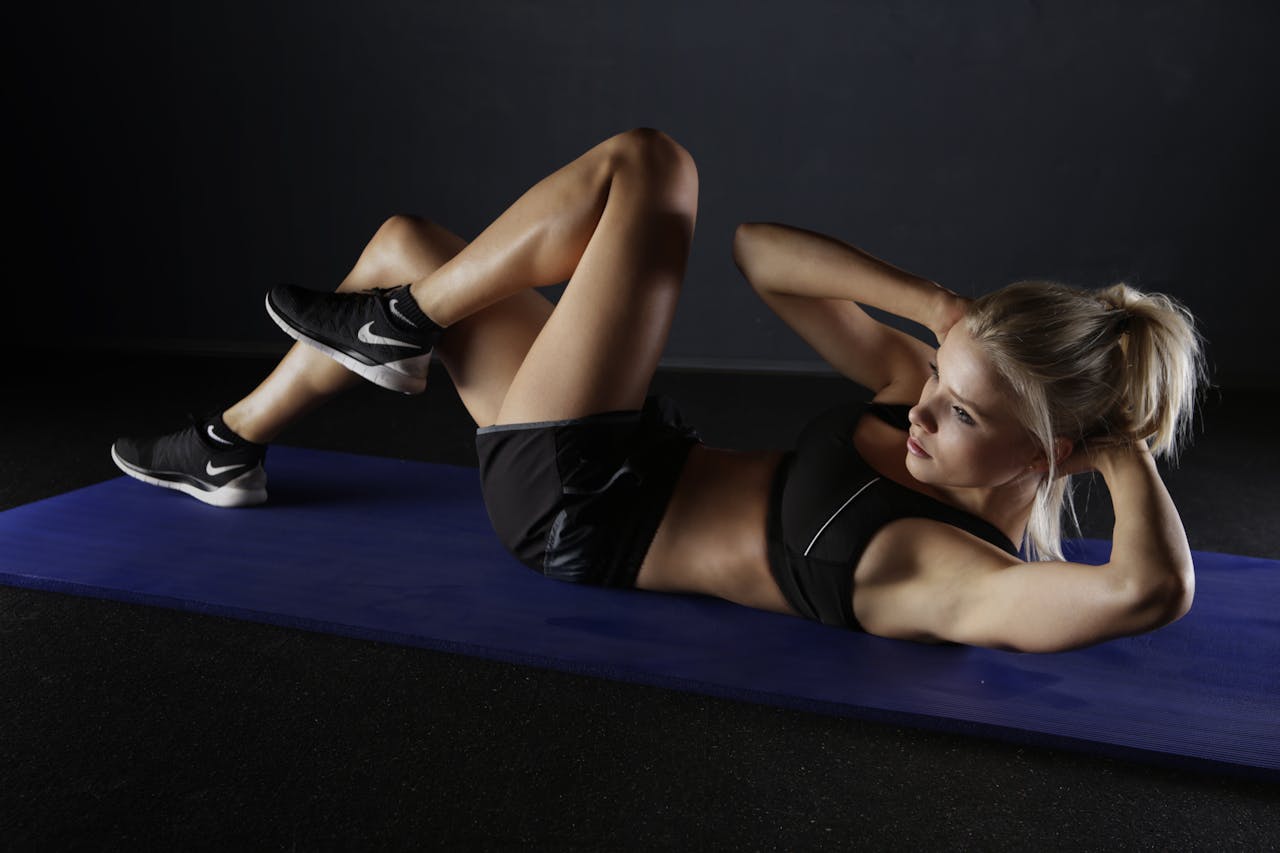
Pilates emphasizes movement through the use of our core muscles, those closest to the spine.  Instead of performing more reps, Pilates focuses on performing fewer, more precise movements that require concentration, control and proper form.  Due to its focus on developing the core muscles as well as postural awareness, Pilates is especially successful at alleviating back pain.  By integrating the trunk, pelvis and shoulder girdle, Pilates enables you to develop a very strong core.

A Pilates workout is designed to strengthen your core stability muscles: the deep abdominal, back and pelvic floor muscles.  One of the best ways to challenge these muscles is to make them stabilize the trunk under unstable conditions.  Props such as a Swiss Ball, Bosu, Balance Disk, a foam roller and resistance bands all help to create a more challenging work out to increase the recruitment of the transverse abdominis.

Not only does Pilates help strengthen your muscles, it also emphasizes proper breathing and body awareness in addition to the core conditioning.  Those who have practiced Pilates have walked away noticing a greater ability to focus on their task and increased strength to take part in normal activity while maintaining good posture.

Experiencing low back pain can be frustrating.  Learning some very basic movements with the Pilates method can help relieve lower back pain.  Selecting a proper Pilates instructor is important.  You want someone who can identify neutral spine as well as contracted neutral spin.

Finding a fitness instructor who is a good match for your goals and personality can be challenging.  The Pilates Method Alliance, PMA, suggests asking the following questions of any instructor you may be considering.

  1. Was the instructor trained through a comprehensive training program?
  2. Did that training program require a written and practical test, lecture, observation, and practice and apprentice hours?
  3. How many total hours were spent in the training program?  (The Pilates Method is a knowledge-based method of exercise and training.  Time spent in certification training produces qualified teachers.)
  4. Does the instructor have any other movement-related teaching experience?
  5. How long has the instructor been teaching Pilates?
  6. What is the philosophy and specialty of the instructors or studio?  Are they able to handle special needs, injuries and rehabilitation?
  7. Does the instructor or studio teach the full repertoire of Pilates on all types of apparatus?

Sandee Lea, is a Nationally Certified Pilates PMA Instructor, Yogafit Certified Instructor and Ace Certified Trainer.  She has been practicing Pilates since the age of 12.  Please feel free to check out her website pilatestemecula.com and visit her blog site at thehundredpureandsimple.blogspot.com.  Sandee can also be reached at (951) 541-6708, should you have any questions or concerns regarding Pilates or Yoga training.