Arthritis:
How to Stay Active and Independent
By David Perz, D.O.
It is very likely that you or someone you know has arthritis. Arthritis
causes pain, stiffness and sometimes swelling in or around joints. Arthritis
can make it hard to move around and do the things we need to do, such as
working or taking care of family members or ourselves.
What is arthritis? Arthritis means inflammation
of the joints. Most commonly arthritis affects people over the age of 45,
women more so than men. It affects hands and weight-bearing joints such
as knees, hips, feet and the back. Arthritis is responsible for more than
7 million physician visits per year by an estimated 20 million people. 80%
of arthritis sufferers report some limitation in movement or activities.
It is important to know which type of arthritis you have because treatment
options vary among the many forms. Osteoarthritis (OS-tee-oh-are-THRY-tis),
or degenerative joint disease, is the most common form.
Osteoarthritis (OA) is characterized by the breakdown
of the joint's cartilage. Normally, a smooth layer of cartilage acts as
a pad between the bones of a joint. Cartilage helps the joint move easily
and comfortably. In some people, the cartilage thins as the joints are
used. This is the start of osteoarthritis. Over time, the cartilage wears
away and the bones may rub against one another. Bones may even start to
grow too thick on the ends where they meet at a joint, and bits of cartilage
and bone may loosen and get in the way of movement. This can cause pain,
joint swelling and stiffness.
Although the exact cause is unknown, there are many factors that can promote
arthritis. Although age is a risk factor, research has shown that osteoarthritis
is not an inevitable part of aging. Obesity may lead to osteoarthritis
of the knees. In addition, people with joint injuries due to sports, work-related
activity or accidents may be at increased risk of developing arthritis.
Genetics has a role in the development of arthritis, particularly in the
hands.
How do doctors treat my arthritis? There is no cure for osteoarthritis,
only ways to improve it. The treatment of osteoarthritis focuses on decreasing
pain and improving joint movement.
Treatment may include:
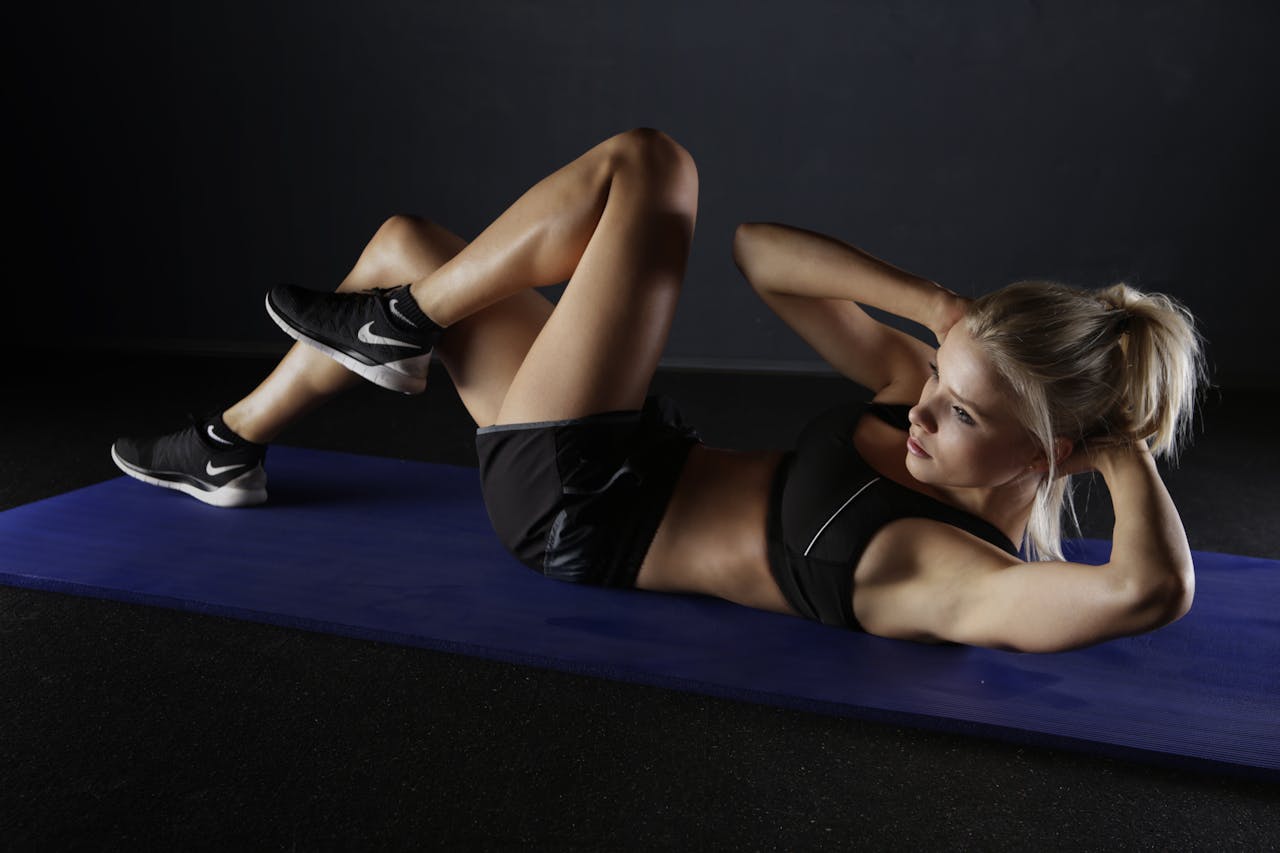
Performing exercises to keep joints flexible and maintain muscle strength
(move it or lose it!).
Many different medications are used to control arthritis pain, including
non-steroid anti-inflammatory medicines and corticosteroids like prednisone.
Your doctor can inject glucocorticoids (a steroid) into the joints that
are inflamed and not responsive to NSAIDS.
Your doctor can also inject an anesthetic into the joint to numb the pain.
For mild pain without inflammation, Tylenol may be used.
Use a joint brace to prevent strain or stress on painful joints.
Joint replacement surgery is sometimes needed to relieve chronic pain
in a damaged joint.
Will my arthritis get worse? Osteoarthritis does tend to
get worse over time. But you can do many things to help yourself. It's
important to stay as active as possible. When joints hurt, people tend
not to use them and the muscles get weak. This can cause contractures
(stiff muscles), and it can make it harder to get around. This causes
more pain and the cycle begins again.
Tips on staying active:
Lose weight to prevent extra stress on weight bearing joints (if overweight).
Exercise regularly for short periods.
Go to a physical therapist if you can’t exercise on your own.
Use canes and other special devices to alleviate pressure on your joints.
Avoid lifting heavy things.
Avoid overusing your joints.
Don't pull on objects to move them--push them instead.
Take your medicine the way your doctor suggests.
Apply heat before exercise and a cold pack immediately after exercise.
This reduces stiffness in the muscles and joints.
Medical devices for people with arthritis:
Canes, walkers and joint braces.
Shoe inserts, arch supports, or cushions.
Special fasteners (such as Velcro) on clothing (buttons are difficult).
Large grips for tools and utensils (wrap foam or fabric around items with
narrow handles, like pens).
Wall-mounted jar openers.
Electric appliances, such as can openers and knives.
Mobile shower heads.
Bath seats and grab bars for the bathtub.
Will exercise really help me? Yes. Exercise keeps your muscles
strong and helps you stay flexible. Exercises that don't strain your joints
are best. To avoid pain and injury, choose exercises that can be done
in small amounts with rest time in between. Try tightening your muscles
and then relaxing them a number of times. You can do this with all of
your major muscle groups. You could also try an "aquacise" program
available through your local swimming pool or community center. These
programs involve special movements in the pool, with much of your body's
weight held up by water.
David Perz, D.O. is a family physician in Hemet. He can be reached
at (951) 766-8403. A follow-up article by Dr. Perz on Rheumatoid Arthritis
will be published in the April-May edition of Healthy Times.
|