But How Do I Know It’s Really Organic?
By AJ Bush

In rolls the twentieth century, towing the Model-T Ford, the ‘unsinkable’ Titanic, Einstein’s theory of relativity, the Rubik's Cube and a large supply of new synthetic chemicals coating our fruit and vegetables. In the past, prior to the introduction of pesticides, insecticides and herbicides, the vast majority of agriculture could be described as organic.

Nowadays we find ourselves sifting through apple bins trying to find that little sticker that says ’organic.’ Is there method in our madness? Or is the organic movement an excuse for ‘green capitalism’ and a fast track to empty pockets? 

Well, according to the Environmental Working Group, “Even small doses of pesticides and chemicals can result in lasting damage to human health, especially during fetal development and early childhood.” Enough said. When perusing longevity and healthy living, organic produce as opposed to non-organic, is our nutritious, non-poisonous, and arguably more flavoursome option.  

EWG‘s ‘A Shopper’s Guide to Pesticide’ provides us with the ammunition to prove that buying organic fruit and veggies is well worth the extra pennies spent. Here is a selection of the top pesticide-carriers taken from the EWG’s ‘dirty dozen’ list. 

Be picky when picking your peaches
Peaches are the number one fruit to be bought organically. Pesticide levels on these juicy numbers are off the charts and repeatedly above legal limits. Studies show that a variety of 45 different pesticides were found on 94 percent of all peaches tested.

An (organic) apple a day, keeps the doctor away
In one test, seven chemicals were discovered on a single apple. Although peeling the fruit will lessen the amount of pesticide absorbed, toxic residue is still not annihilated. Also a large proportion of vitamin C and fibre is thrown away with the peel.

Strawberry swing
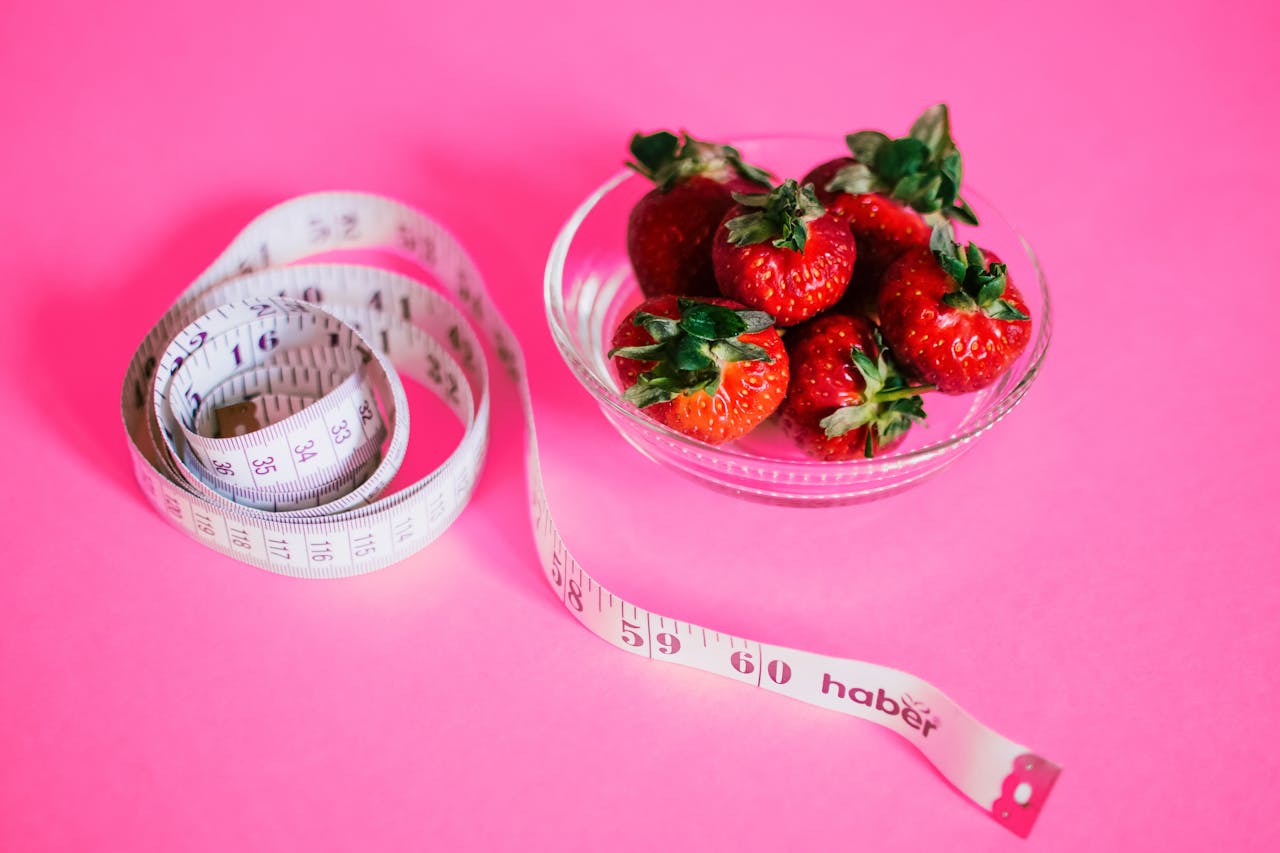
When you next purchase a punnet of these red delights, sway towards organic. Some strawberries are colour enhanced with a substance containing fungicide captan. This deceiving chemical enhances the external demeanour of many fruits, making them appear brighter and healthier-looking.
 
Go for organic grapes
According to the EWG, pesticides were found on 86 percent of the imported grapes tested. Grapes ripen quickly -great for wine making- but this also attracts unwanted insects. Non-organic farmers combat pests by spraying multiple applications of chemicals on their vines. Even peeling won’t help, as grape-skins are thin and absorb liquid quickly.

Stick to organic celery
This vegetable does not have a protective outer layer, so do not waste time washing non-organic celery. It is impossible to scrub off the 29 different kinds of chemicals found on these ’healthy’ sticks.

But how do I know it’s really organic?
It is simple. It is all about certification. It is worth looking out for those little (usually green) stickers after all. The U.S. Department of Agriculture, 100 percent organic, is the golden yardstick amongst organic world organisations. By regulation, organic fruit and vegetables are grown without synthetic pesticides or fertilizers, antibiotics, irradiation or sewage sludge. Organic fresh produce has to be strictly separated from non-certified products. Buying certified ‘organic’ produce provides product assurance and peace of mind, kind of like buying ‘low fat’ milk or ‘100 percent whole wheat’ bread.

As for the local farmers’ market or roadside vendor, it is as easy as asking for accreditation papers. Don’t be fooled, whether you are buying on the sidewalk or shopping in the supermarket - if it does not say organic, then it is probably not organic. Sneaky items, packaged in earth-tones with labels such as ‘natural’ and ‘healthy,’ without certification stamps, are likely to be organic imitations.

Unfortunately, when it comes to healthy living, washing and peeling your non-organic fruit and vegetables is not going to cut it. The organic movement is not just a popular subculture for eccentric health-fundees; it is a way of life. It is time to invest in your body, to buy authentic-organic produce, and to stay away from those poison-infused-toxic tomatoes!

This article was submitted on behalf of Organic To Home, an organic shop located in Central. Organic To Home exclusively distributes IHR Organic Beer from Switzerland as well as various other certified organic products. Check out www.o2h.com.hk or call 2981 2888 for more information.