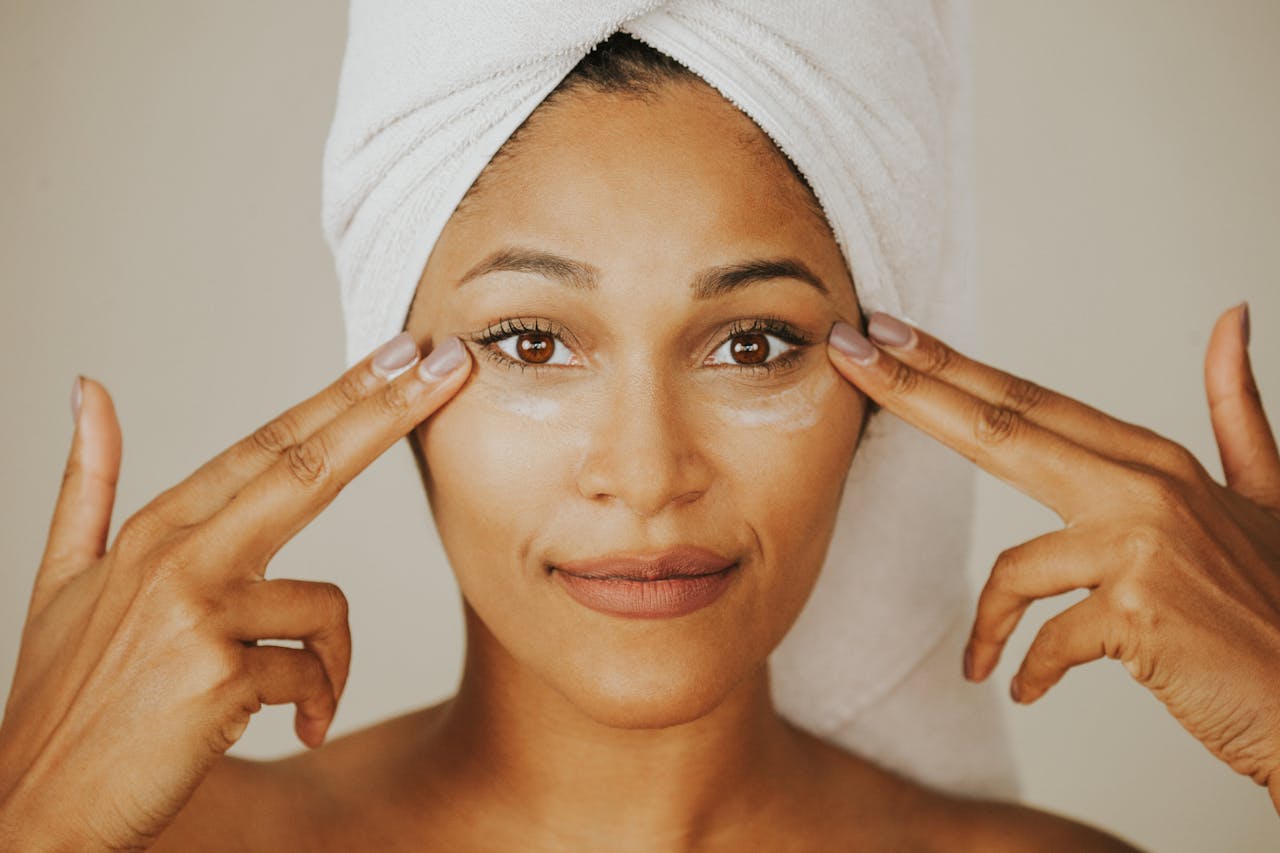
Baby Boomer Eyes

By Richard R. Burns, M.D.
California Eye Professionals

Welcome to middle age!   The eyes of the Boomers have seen a lot... and now they are getting older and discovering new visual challenges such as presbyopia, bifocals, contact lens overuse, and cataracts.  Boomers have never accepted the status quo, and have been eager to explore new treatment options as they have become available.  Boomers, there are answers to your needs, today!

Nearsighted people can see up close but need glasses for distance.  Boomers however, start to lose flexibility of the eye which changes its focal point.  Aging eyes require bifocals to give both distance and near vision at the same time. 

Farsighted people, who for years have been independent of glasses for distance or near, will need reading glasses to see up close as they age. Nothing is more frustrating nor more common to the aging process than the loss of near vision which seems to happen overnight.  The problem, called presbyopia is actually due to the progressive loss of flexibility of the eye. Contrary to popular hope, there are no exercises or vitamins to stop this process. The standard answer has been bifocals or reading glasses. However, today there are other options such as Advanced LASIK surgery or the new lens implants.

Another common problem we see are those who have been wearing contact lenses for the past decades and are suffering from chronically irritated eyes.  Without a doubt, years of contact lens wear takes a toll.  Many have been through the wars of contact lens overwear, infections, slipping of lenses, lost lenses, broken lenses, dry and irritated eyes, and waking up with blurry vision.  Those looking for other options are discovering the latest advances in technology are restoring vision to new levels never before experienced.

For those who can’t or don’t want to wear contacts or glasses, LASIK can be an excellent option.  Thousands each year have chosen LASIK Vision Correction. Since the mid 90's when it first appeared on the market as a viable option, LASIK has undergone several revolutionary changes regarding the two parts of the LASIK procedure; the incision of the cornea, and the resculpting of the corneal curvature.

It used to be that a blade was used to make the incision in the cornea. Today the most precise approach is the use of a special, highly technical laser to make the incision.  The Intralase laser, often referred to as all Laser LASIK, is the most state of the art technology. Using Intralase as opposed to the blade, gives the surgeon a new level of safety.   

Using Wavefront analysis for the second part of LASIK has enabled surgeons to map out all of the tiny imperfections and resculpt the cornea up to 25 times more refined than standard LASIK. Combining the Intralase laser with VISX Custom Vue offers unparalleled safety and clarity for nearsightedness, farsightedness, and astigmatism. This has enabled millions to achieve independence from glasses.

With LASIK we can create one eye for distance (the dominant eye) and one eye for near (the non-dominant eye).  Although this may seem illogical, your brain actually does sort this out over time and adjusts so that you can see very well and be independent of glasses. I know this to be true because I have had LASIK on my own eye to create this monovision. Another excellent option is to put either a multifocal or an accommodating lens implant in each eye creating both distance and near vision in each eye.

Finally, as the aging process continues, there is the loss of clarity due to the beginning of the clouding of the natural lens, also known as cataract formation. Cataracts are inevitable with age. It is true that if you live long enough you will get a cataract that interferes with your vision. Therefore cataracts are something we cannot avoid. However, there is research that suggests that antioxidants such as Co Enzyme Q and Omega 3 as well as a daily aspirin may help slow down this progression. Also, avoiding significant UV exposure by wearing polarized sunglasses with UV 400 protection as well as keeping chronic conditions such as diabetes and hypertension under control can be very helpful. However, when surgery is necessary, not only is the procedure quick and painless, with the new advances in lens implants, vision can be restored allowing most patients to function without glasses! 

So Boomers, take heart!  Whether you like to play golf, sew, read, or work on your computer, there is technology that can help you attain the very best vision possible for the rest of your life often without the need for glasses or bifocals.  

 Free NLP Course

NLP Training Online
Health Articles
Health Advertising
Ex-Mormon
Personal Development
Personal Growth