Aging The Way You Choose
By Andrea Bush
Old age is like everything else. To have any chance of success, you've got to start young. Talk of anti-aging methods seems to be everywhere – on TV, in magazines and on seemingly every other cosmetic product. Some scientists believe that future breakthroughs in tissue rejuvenation, organ replacement and molecular repair will ultimately enable us to live indefinitely. A youthful condition will be achieved through total body rejuvenation. An honest peek in the mirror, however, is proof enough for many of us that we have a long way to go before we reach this “ideal” of static beauty.
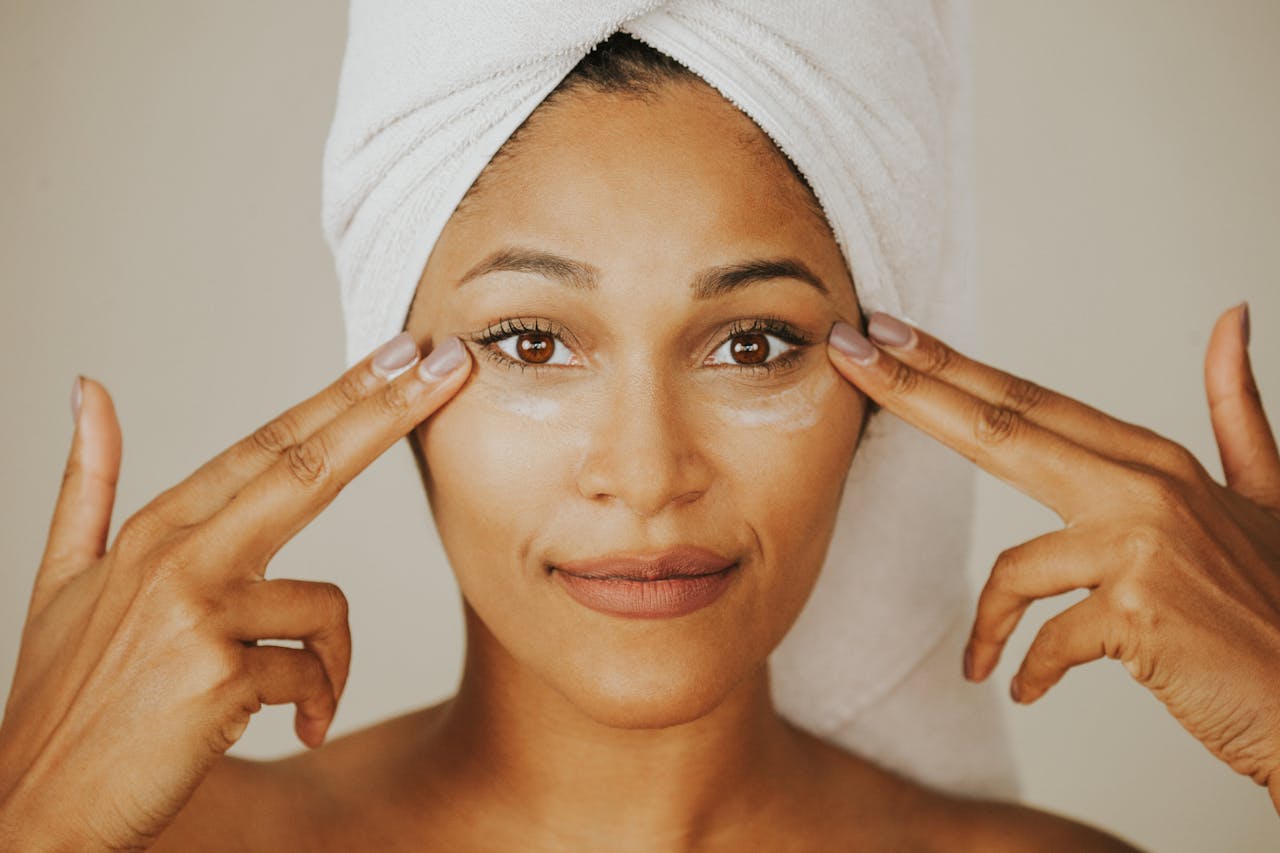
Many things can be done today to help slow and even reverse some of those unwanted effects of aging, though – and  yes, even tighten those less-than-flattering saggy bits.
The quest for health and youthfulness can be exhausting. Rewinding your life to a time of radiant skin, ideal weight and get-up-and-go energy seems unattainable. Often our problem is too much choice with too little direction. Instead of building us up, the mountains of methods, diets, supplements, cosmetics and exercise regimens just seem to bog us down.
The question is, what will work for you? In reality, we can either continue hopping onto (and falling off) the next hot-body bandwagon or simply ask an expert. 
Dr. Stephen Chan is a doctor with a special anti-aging interest, or as he puts it, “optimal aging.” He tailor-makes programs to help middle-aged professionals age the way they want to. He says reversing the clock is a matter of understanding why we age, then covering all the bases.
Aging, Chan says, is a combination of genes, lifestyle, accumulation of radical damage and diminishing hormones. We can’t change our genes, but knowing what foods to avoid may significantly reduce the number of free radicals we produce and the damage this does to our cells. Free radicals, Chan says, have been linked to many of the curses of the 21st century: Heart attacks, strokes, Alzheimer’s disease and cancer. 
Knowing which exercises to do can also help, as some types help lose that middle-aged spare tire around the waist, while others help to stimulate our hormones.
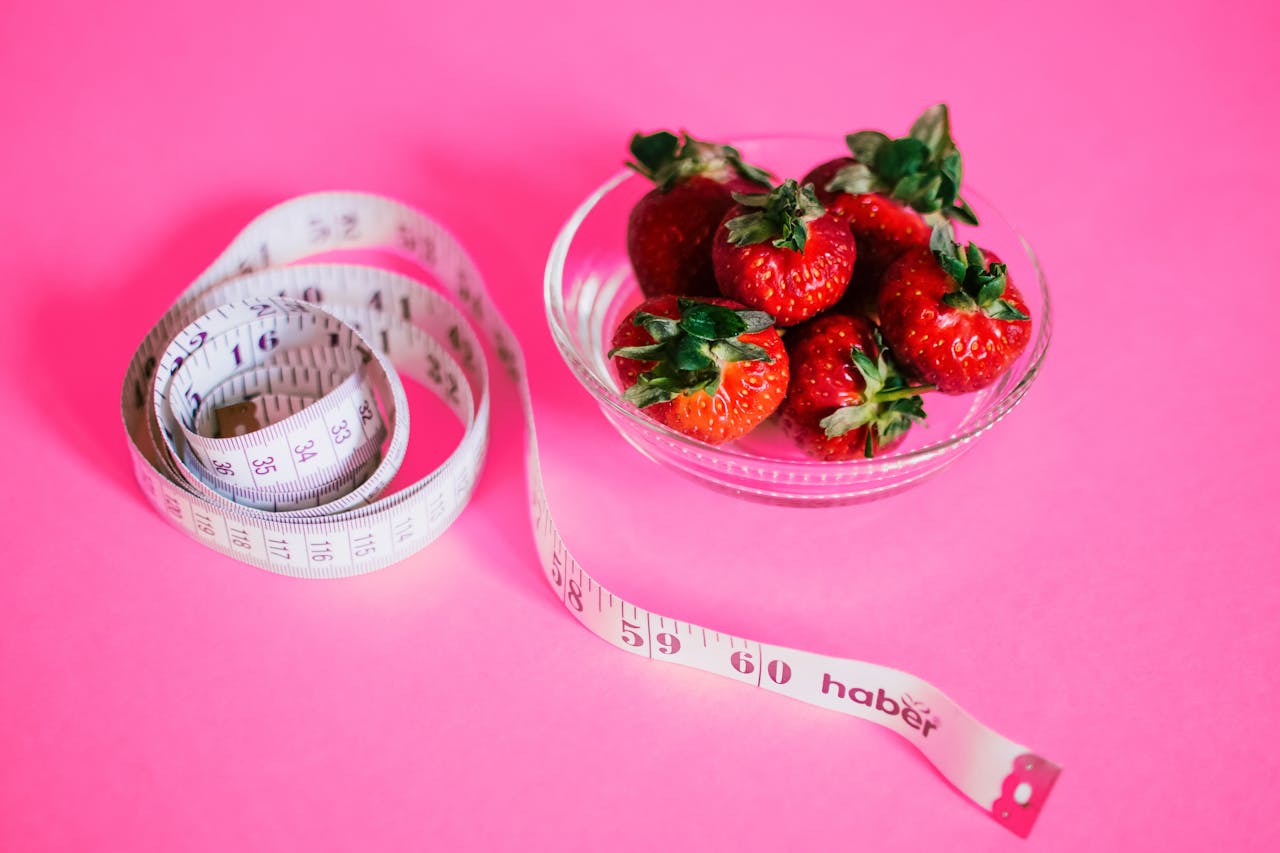
Indeed, help with weight loss, especially around the legs, bums and tums is one of the most common reason people go to see Chan. As we grow older, we start to lose two important hormones: testosterone (even in women) and growth hormone.  Both have essential roles in keeping us firm and trim. This is why so many people in their 40s and 50s find they can do the same exercise, eat the same food, yet gain weight.
To them it is an enigma, but to Chan, it is all in the hormones. Balance the hormones, especially with those identical to what Mother Nature gave us (“bio-identical” hormones), and presto! The body begins to firm again in the gym.

Another factor to consider, Chan says, is that each fat cell in our body has two kinds of receptors: one to tell it to store fat and another telling it to burn fat for energy.
Women have many more receptors for storing fat than burning it in the legs, bums and tums, which is why it is so easy for them to gain weight there. Men have many more fat-storage receptors in their abdomen, which is why extra calories from all those Friday night beers like to settle there.
Knowing this, Chan says, can be helpful. With a technique originally from France known as mesotherapy, tiny injections of active ingredients can be given just under the skin. The ingredients turn off the fat-storing receptors and turn on the fat-burning ones. The result is that when you exercise, inches can disappear in a matter of weeks.
In experienced hands, it is even possible to chose exactly where you want to lose the fat – a little from the tummy, or the arms – and help restore you to your former glory.  Why shouldn’t you have the satisfaction of being able to fit in those old clothes from 10 years ago? Confidence is not just for the young!
Are any of these treatments the Fountain of Youth? No, but they might allow you to age how you chose to!
The author would like to thank The Age Reversal Centre for its kind assistance with this article. More information is available on their website: www.agereversalcentre.com.