![]() |
|
| home | Healthy Times Newspaper | Healthy Times Articles | Healthy Times Internet Products | |
![]() |
|
|
|
|
|
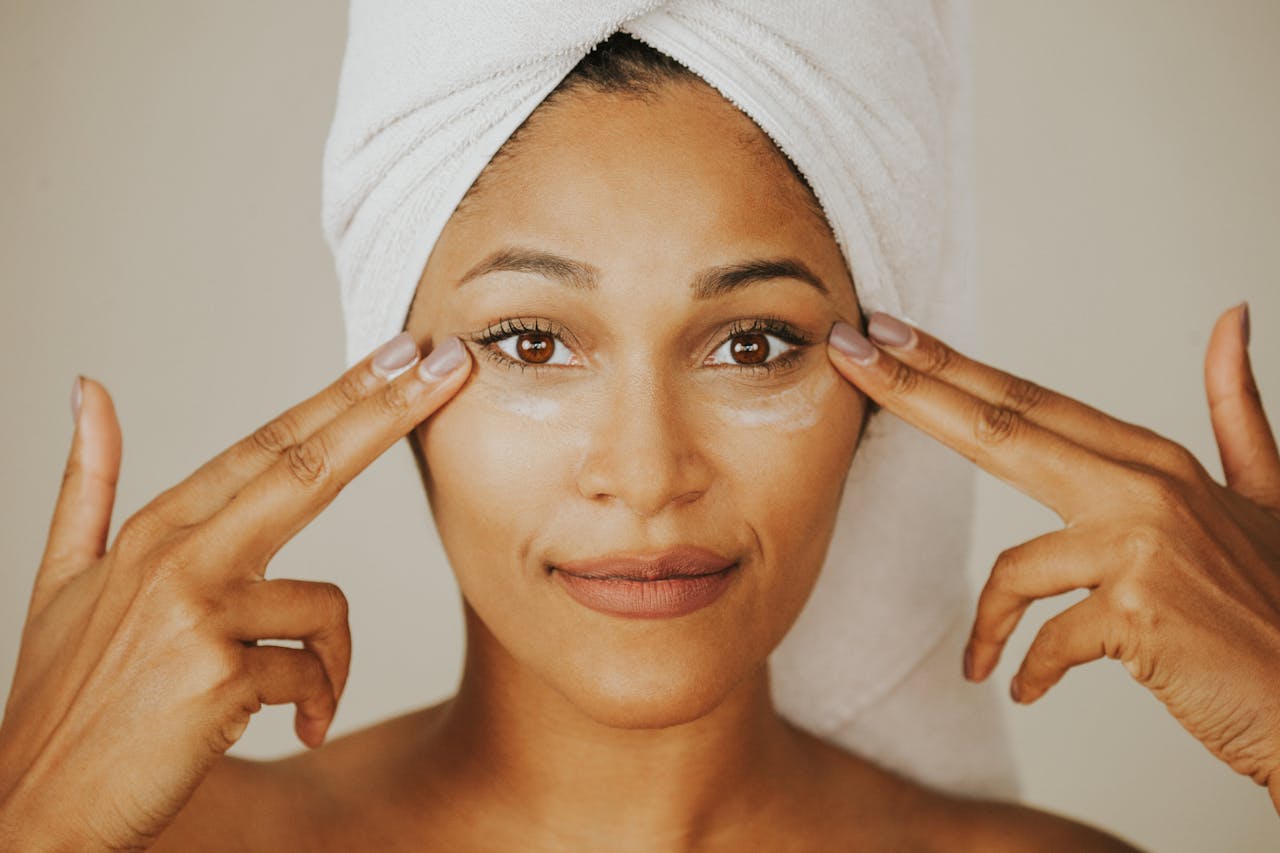
Are We Risking Cancer by Using Skin Care Products? Despite the “war on cancer” declared by President Nixon in 1971, cancer has become the second most common killer in our country. A woman’s lifetime risk of breast cancer has almost tripled in the last 40 years. At the 3rd annual Scripps Center for Integrative Medicine Nutritional Supplements conference, Dr. Mitchell Gaynor, M.D, clinical professor of medicine at Weill-Cornell medical college, said, “Billions have been spent on searching for a cure for cancer, yet cancer mortality has not really decreased, and incidence for most kinds of cancer has actually increased.” He stressed during his lecture that environmental issues should become the main focus of cancer medicine. There are estimated to be over 80,000-100,000 synthetic chemicals in use on our planet. Only about 42% of these chemicals have been tested for human health effects and about 7% have been tested for effects on human development. Many of these chemicals can accumulate in the fatty tissue of our bodies. Recent studies done by the Center for Disease Control (CDC) have shown that all Americans carry a ‘body burden’ of at least 148 chemicals, many of which were banned from use in the United States many years ago. Cosmetics are laden with ingredients like parabens, phthalates and heavy metals. Phthalates are used to make plastics flexible and cosmetics more luxurious and pliable. Parabens are used as preservatives in many cosmetic products. Both of these ingredients have been found to alter hormonal function. Just recently published in the April issue of the Journal of Applied Toxicology, aluminum salts and cadmium, both found in most anti-perspirants, have been found to exert estrogen-like effects. Since estrogen and the hormone receptors are known to be involved in the development and progression of breast and prostate cancer, any substance in the environment that may have estrogenic activity and can enter the body, could theoretically disrupt normal tissue growth and promote cancer. There is still an ongoing debate over the safety of anti-perspirants. In light of this most recent research, it would be prudent to not apply these aluminum-laced products directly on freshly shaven skin, where the ingredients can be readily absorbed into the breast tissue. The FDA does not regulate these chemicals in skin care products, nor does it require the companies who manufacture these products to disclose them as ingredients on their labels. A group in the U.S. called the Campaign for Safe Cosmetics, has asked hundreds of manufacturers to voluntarily sign their Compact for the Global Production of Safe Health and Beauty Products. This compact has a pledge that all their products will meet the new and stringent European Union (EU) standards within three years. As you might have guessed, large companies like Avon, L’Oreal and Revlon have refused to sign on, while companies such as Burt’s Bees and Kiss My Face have readily come on board. To date, we have no definitive studies linking skin products and their ingredients to cancer, but we do have thousands of research papers showing their biological action in the body. As a consumer, what resources do you have to educate yourself? The Environmental Working Group, based out of D.C., has an incredible, searchable, consumer database that allows you to look up over 10,000 products, their ingredients and their relative risks to your health.
|
![]() NLP Training Online Health Articles Health Advertising Ex-Mormon Personal Development Personal Growth |